
Gyeongbokgung Palace, nestled in the heart of Seoul, South Korea, is a magnificent architectural masterpiece and a treasure trove of Korean history and culture. As one of the most iconic landmarks in the country, this grand palace offers a captivating glimpse into the past, allowing visitors to immerse themselves in the rich traditions of the Joseon Dynasty. In this blog post, we will take you on a comprehensive tour of Gyeongbokgung Palace, exploring its history, architecture, and the cultural significance that makes it a must-visit destination for anyone in Korea.
A Brief History of Gyeongbokgung Palace
Gyeongbokgung Palace, also known as the “Palace of Shining Happiness,” was constructed in 1395 by King Taejo, the founder of the Joseon Dynasty. As the main royal palace, it served as the seat of power for the Korean monarchy and the political and cultural heart of the country.
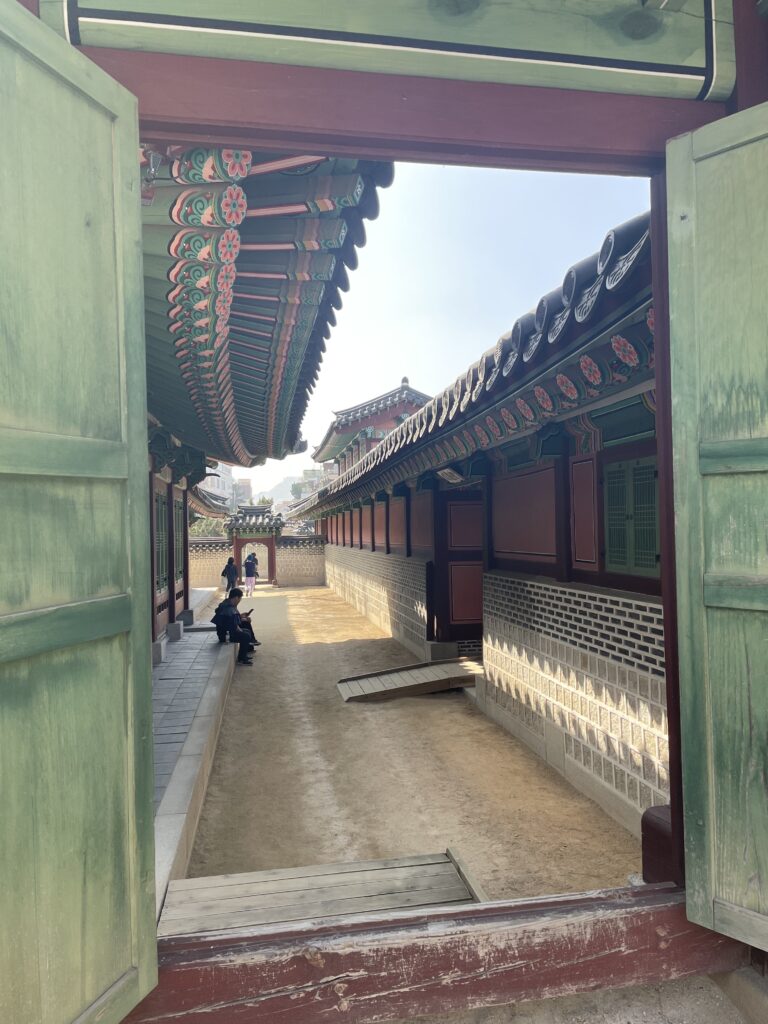
Despite suffering damage and destruction during various historical events, including the Japanese invasions of Korea in the late 16th century and the Japanese occupation in the early 20th century, Gyeongbokgung has been meticulously restored over the years. Today, it stands as a symbol of Korean resilience and cultural pride.
Exploring the Palace Grounds
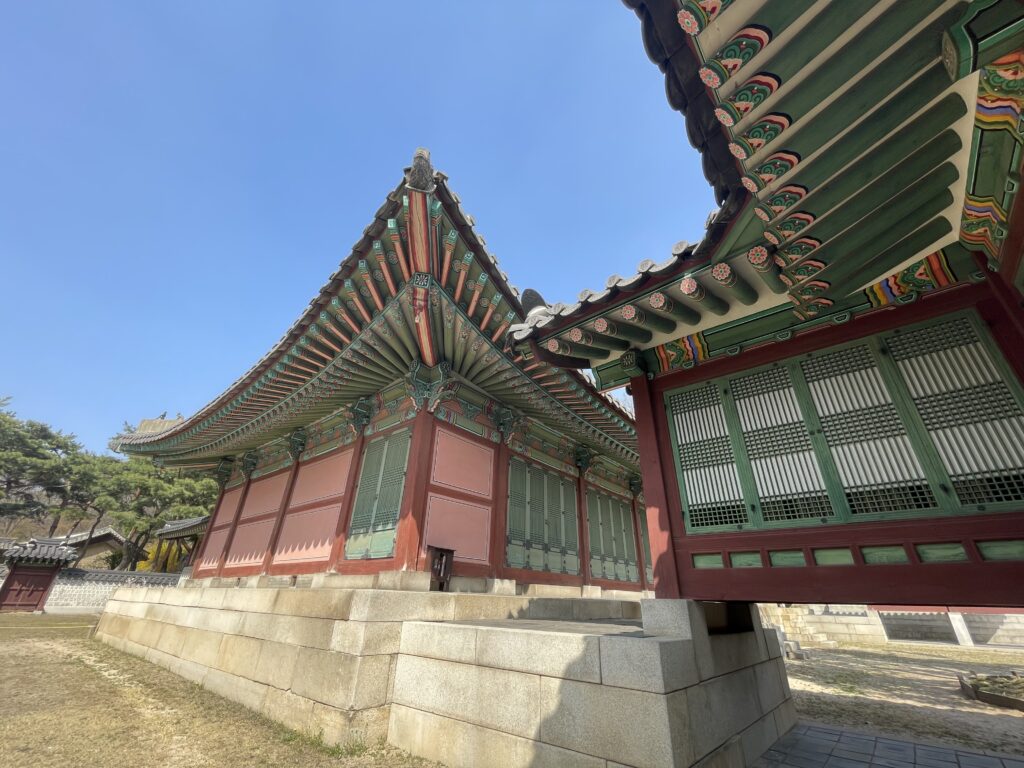
Gyeongbokgung Palace is renowned for its vast and meticulously designed grounds, which house numerous buildings, pavilions, and gardens. The palace complex spans over 40 hectares and features a blend of traditional Korean architecture and landscape design. Visitors are often struck by the harmonious layout and the serene atmosphere that contrasts sharply with the bustling city surrounding it.
Gwanghwamun: The Main Entrance
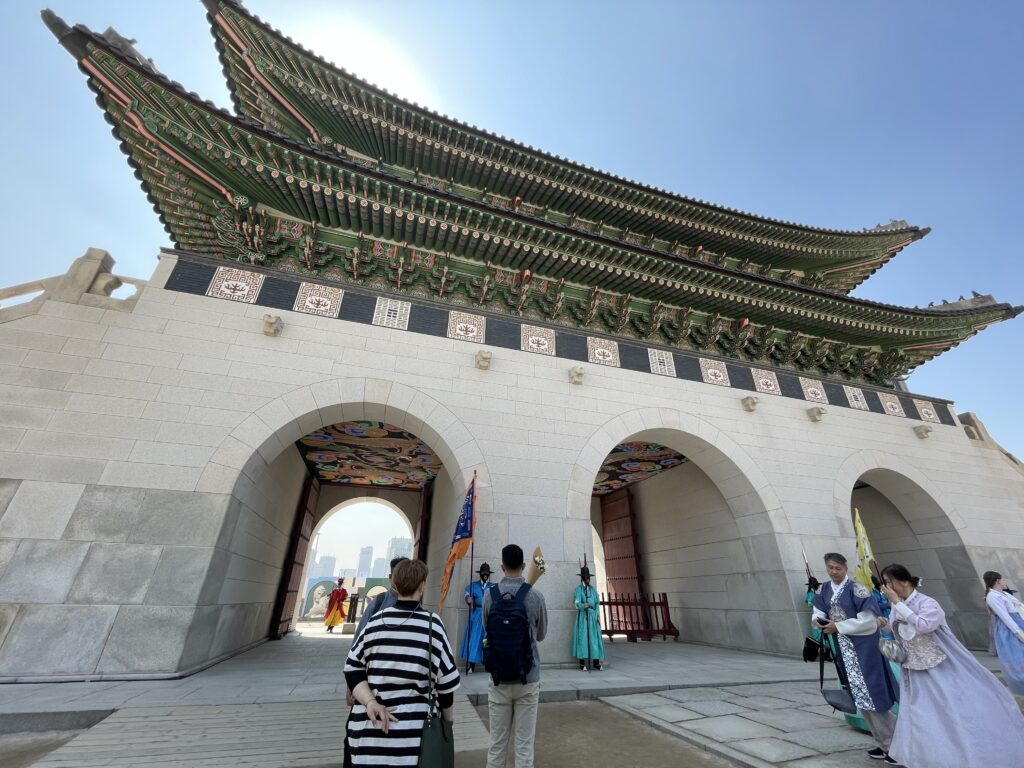
Your journey through Gyeongbokgung Palace begins at Gwanghwamun, the main gate and grand entrance to the palace complex. This iconic gate, with its impressive stone structure and detailed wooden carvings, sets the tone for the architectural splendor that lies within. Gwanghwamun was restored to its original glory in 2010, and it remains a popular spot for visitors to take photos and admire the artistry of traditional Korean design.
Geunjeongjeon: The Throne Hall
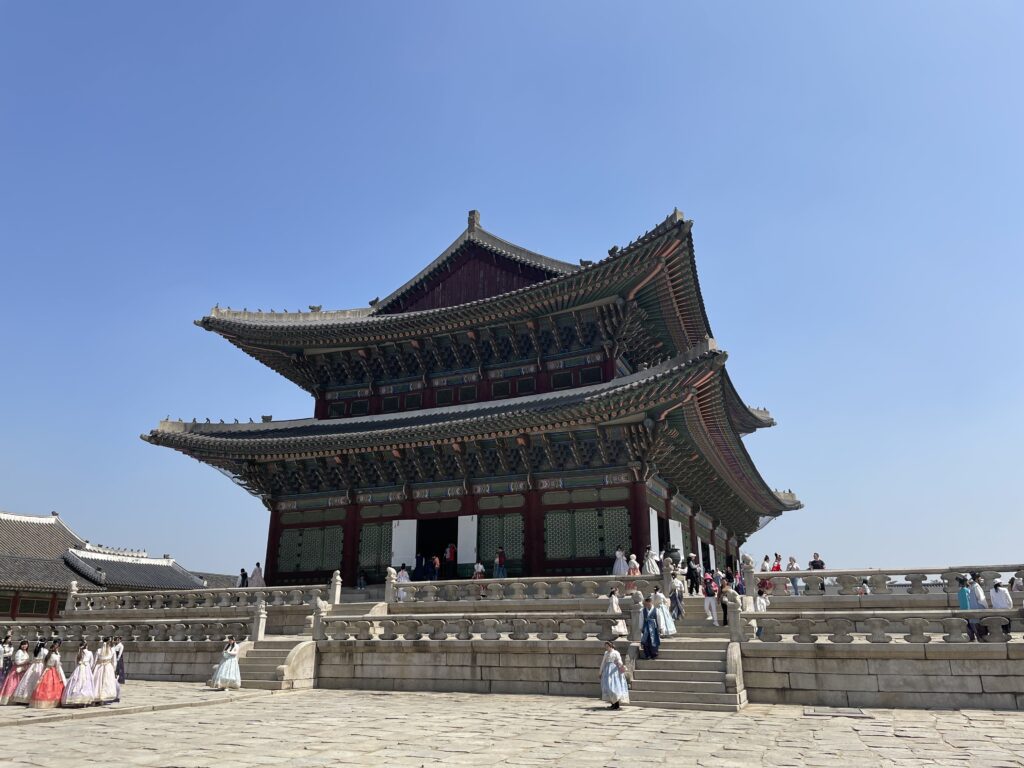
One of the most significant structures within Gyeongbokgung Palace is the Geunjeongjeon, or Throne Hall. Known for its grandeur and elegance, Geunjeongjeon is a prime example of traditional Korean architecture. The building’s distinctive curved lines and upward-sloping eaves give it a unique and beautiful appearance.
Inside the hall, you’ll find a raised platform that once held the king’s throne. The walls are adorned with murals depicting scenes from Korean history, including battles and royal ceremonies, showcasing the artistic and cultural achievements of the Joseon era.
Gyeonghoeru Pavilion
Another highlight of the palace is the Gyeonghoeru Pavilion, which stands on a serene pond, creating a picturesque reflection that adds to its beauty. Historically, this pavilion was used for royal banquets and important national ceremonies. Surrounded by water and lush greenery, Gyeonghoeru offers a tranquil spot for visitors to relax and take in the natural and architectural beauty that defines Gyeongbokgung.

The Changing of the Guard Ceremony
One of the most popular attractions at Gyeongbokgung Palace is the Changing of the Guard ceremony, a tradition that has been meticulously preserved over the centuries. This ceremony takes place at 10:00 AM and 2:00 PM daily and provides a glimpse into the royal protocols of the past. The ceremony is a colorful, well-choreographed display where guards in traditional Joseon-era uniforms march to the beat of drums, showcasing the discipline and order that characterized the royal court. Even if you arrive outside the scheduled times, you may still catch a glimpse of the ceremony, as we did when we visited around noon.
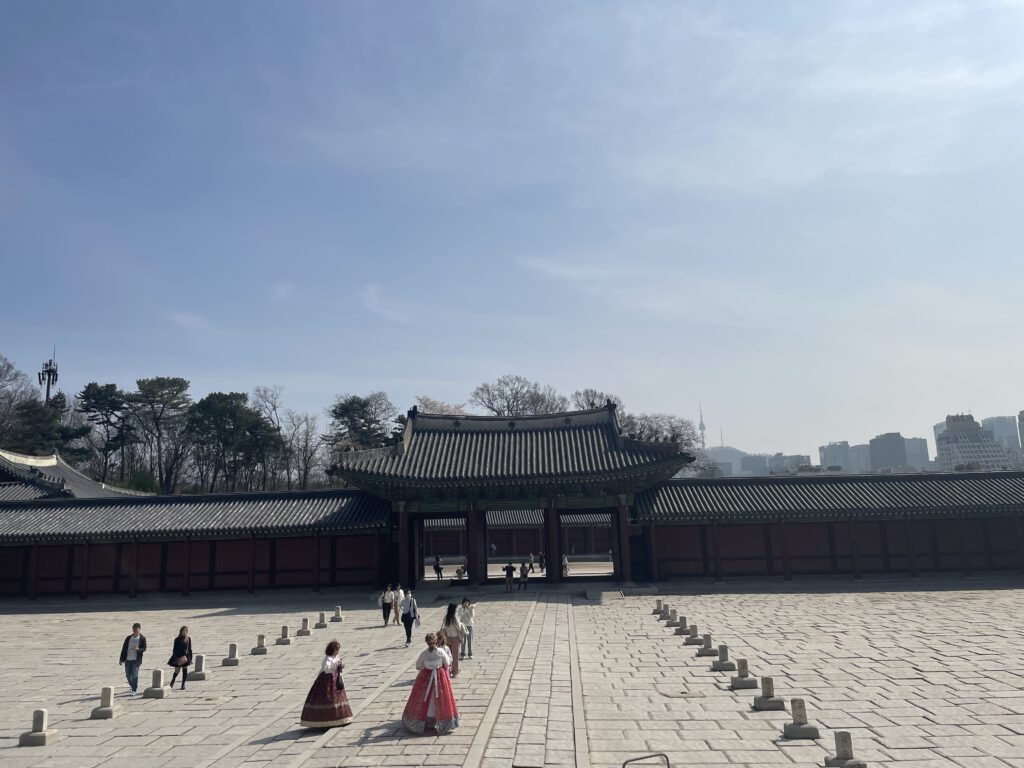
Traditional Korean Architecture: The Hanok Houses
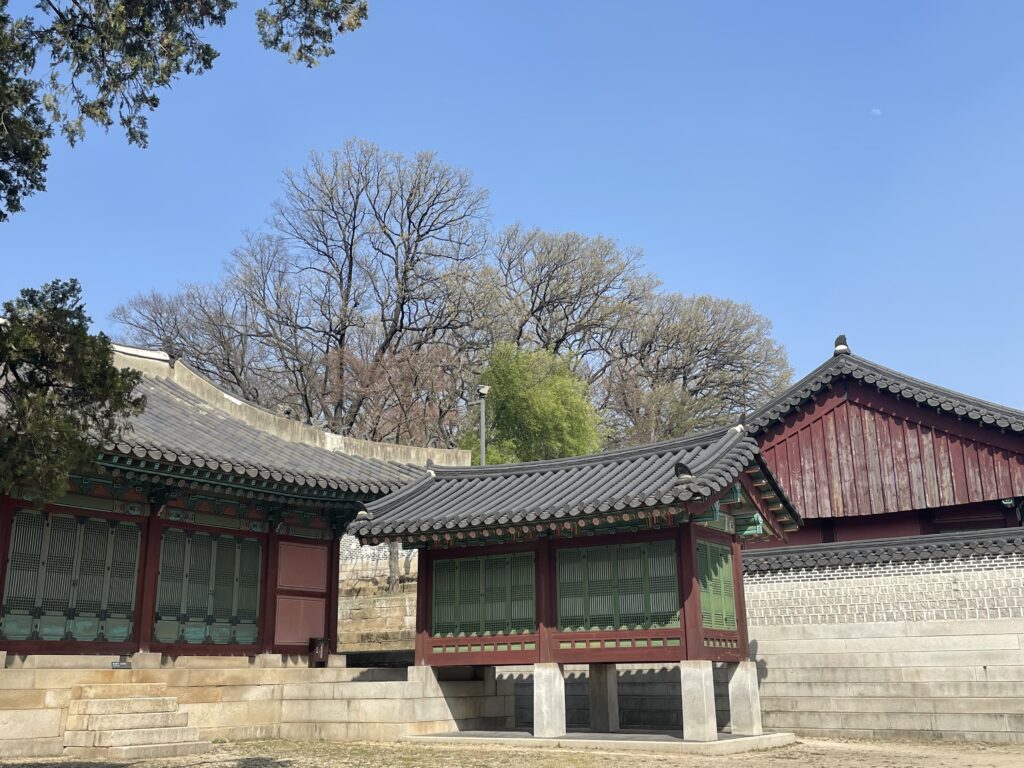
Within the palace grounds, you’ll also find traditional Korean houses known as “hanok.” These structures are characterized by their wooden frames, thick earthen walls, and curved tile roofs. Hanok are renowned for their ability to insulate against both heat and cold, making them practical for Korea’s varied climate.
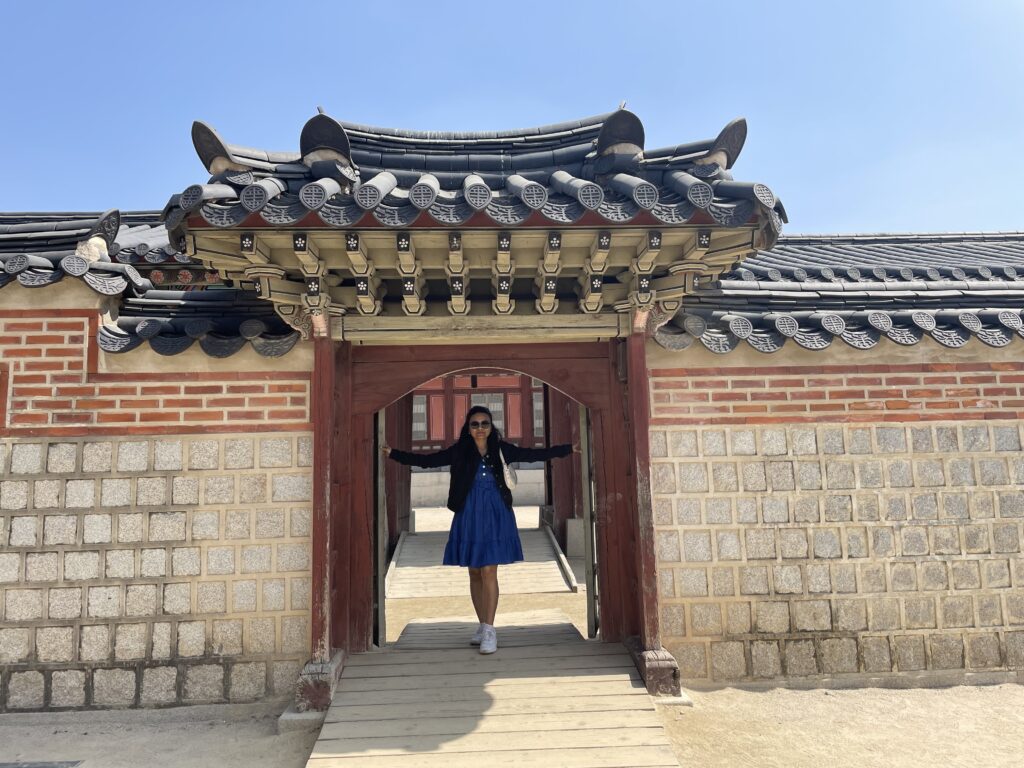
The thick walls, made from soil with high insulation properties, keep the interior cool in the summer and warm in the winter. Walking through these hanok gives visitors a sense of traditional Korean living and architectural ingenuity.
The Legend Behind the Palace
According to legend, the location of Gyeongbokgung Palace was chosen based on a dream by King Taejo. In his dream, he saw a dragon rising from the mountain and flying northward, which he interpreted as a sign of prosperity and good fortune.
Inspired by this vision, he ordered the construction of the palace in its current location, believing it would bring success and stability to his new dynasty. This legend adds a mystical dimension to the palace, enhancing its allure and historical significance.
Conclusion: A Must-Visit Destination in Seoul
Gyeongbokgung Palace is more than just a historical site; it’s a journey through Korea’s royal past, a showcase of architectural beauty, and a celebration of cultural heritage. Whether you’re a history enthusiast, an architecture lover, or simply looking to experience the rich traditions of Korea, a visit to Gyeongbokgung Palace promises to be a memorable and enriching experience. So, if you find yourself in Seoul, make sure to add this magnificent palace to your itinerary – it’s a place where history comes alive.
Follow me on Instagram, Facebook, youtube. Check out the latest blog posts 15 days road trip to Kinnaur– A journey through the most dangerous roads of India, Arunachal and Europe Series.